What is a Product
Configurator?

Understanding Product Configurators
Product Configurators simplify the sales of customizable products.
Here's a breakdown of their functionality and benefits:
Operational Insights:
These tools assist sales teams in creating configurable product options and generating accurate, tailored quotes. They manage complex pricing rules and business logic to provide precise cost calculations based on customer preferences.
Core Features and Capabilities
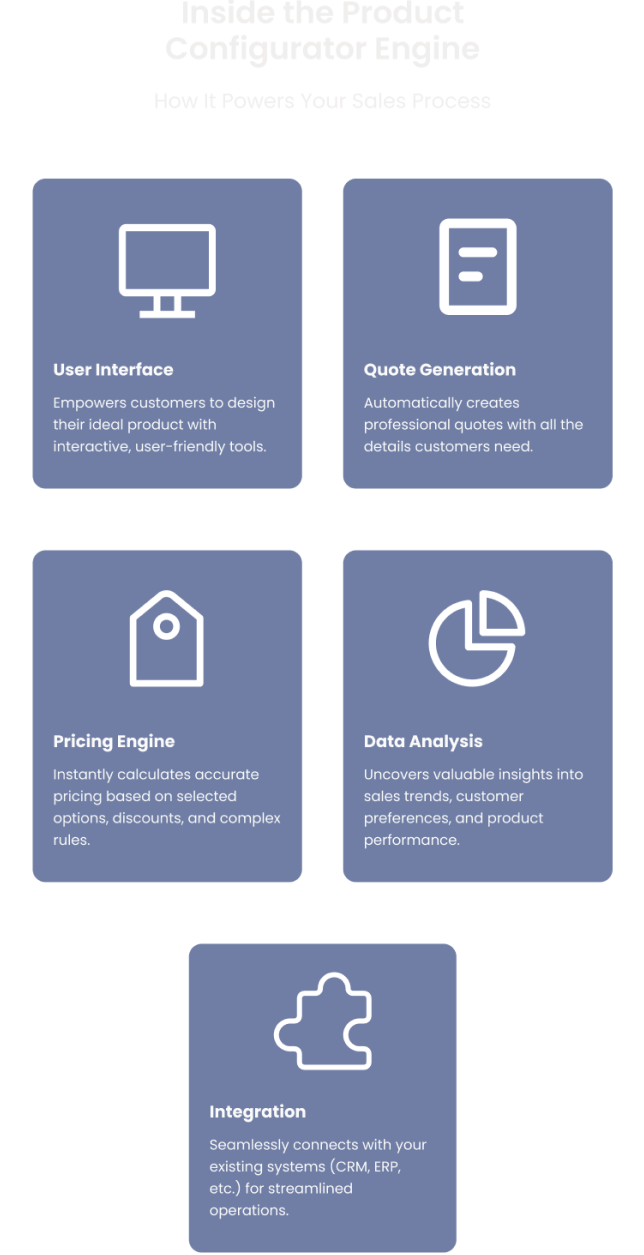
- Product Configurator: A dynamic user interface that allows customers to customize products according to their specific needs.
- Pricing Engine: Sophisticated algorithms manage complex pricing, including discounts, packages, and promotional offers.
- Quote Generation: Systems that automatically produce detailed, customized quotes and contracts.
- Data Analysis: Advanced analytics provide insights into sales trends, performance metrics, and customer preferences, facilitating strategic decision-making.
- Integration: Seamless integration with CRM, ERP, and other essential business management systems ensures data consistency and streamlined operations.
The comprehensive capabilities of Product Configurators enable businesses to respond efficiently to customer inquiries, eliminate manual errors, and maintain uniformity in sales practices.
Companies using product configurators experience:
- A 66% higher conversion rate compared to those using 2D solutions.
- A 40% increase in conversion rates when utilizing interactive 3D configurators.
- An 82% engagement rate from visitors who activate 3D views on product pages.
This efficiency boost allows sales teams to focus more on customer interactions and closing deals. The improved accuracy and speed of the quoting process reduce delays and errors, leading to faster deal closures and enhanced customer satisfaction. Product configurators also offer features like augmented reality, allowing customers to visualize items in their own space, which leads to a 40% higher likelihood of purchase.
Advantages of Implementing a Product Configurator
A Product Configurator offers substantial benefits across various organizational departments. Here are a few examples:
- For Sales Teams: Empowers sales personnel with tools to quickly generate accurate and personalized proposals, enhancing response time and customer satisfaction.
- For Operations and Efficiency: Automates critical sales processes, reduces manual data entry, and minimizes the chance of errors, improving overall operational efficiency and data reliability.

Automate sales process with dynamic quoting and pricing
Ensure error free order handling and production

Scale your business into new markets
Sector-specific Applications of Product Configurators
Product Configurators are versatile and can be customized to meet the specific needs of different industries, enhancing unique sales workflows.
- In the automotive sector, they allow for detailed customization of vehicles, from engine choices to interior finishes, ensuring compatibility and accurate pricing.
- For office design and real estate, Product Configurators facilitate the planning and integration of different layout options, providing updates on costs as choices are made.
- In manufacturing and heavy industries, they help manage complex product assemblies, calculate costs for custom designs, and streamline the quoting process for projects with multiple variables.
Integrating Product Configurators with Systems
Integrating Product Configurators with existing systems such as CRM, ERP, and CAD ensures a seamless operational flow. Real-time data synchronization updates customer and inventory changes instantly, enhancing the accuracy of quotes and the efficiency of the sales process.
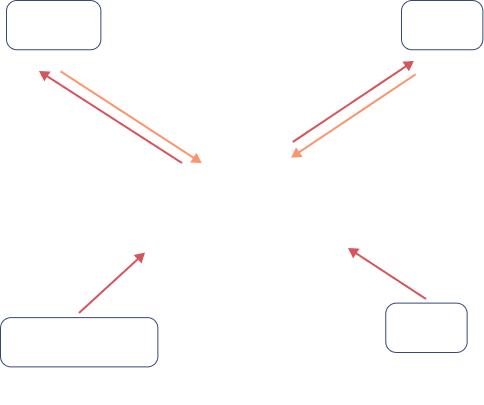
- CRM Integration: Syncs sales data with customer profiles, enabling personalized quote creation based on detailed customer histories.
- ERP Integration: Facilitates smooth transitions from quote to order fulfillment, keeping inventory and financial data aligned with sales activities.
- CAD Integration: Allows for the automatic generation of detailed quotes based on precise engineering drawings, ensuring product specifications meet customer requirements.
- Data Synchronization: Maintains up-to-date and consistent data across integrated systems, ensuring quotes are always based on the latest information.
- Workflow Automation: Automates critical processes such as quote approval and order initiation, speeding up the sales cycle and reducing human errors.
Do you need a product configurator?
We empower manufacturers to master product modeling, streamline quoting process, reduce errors, and ultimately deliver the tailored solutions that customers demand.
Advanced Features of Product Configurators
Advanced features in Product Configurators extend beyond basic functionalities, providing sophisticated tools designed to address complex sales scenarios and compliance requirements.
- Quote Approval and Workflow Management: Streamlines the review and approval process, ensuring that proposals meet established standards and receive timely endorsements.
- Regulatory Compliance and Governance: Ensures all sales activities adhere to industry regulations, managing data securely and applying consistent pricing policies effectively.
Selecting the Right Product Configurator Software
Selecting the appropriate Product Configurator is essential for aligning with your business's strategic goals and operational requirements.
- Criteria for Selection: Determine your needs such as product complexity, customization requirements, and system integration. Consider scalability and user-friendliness.
- Evaluating and Comparing Providers: Assess potential providers based on their capabilities, support, and development trajectory. Weigh the costs against the benefits and efficiencies provided.
Implementing and Adopting Product Configurators
Effective implementation and user adoption are crucial for leveraging the full benefits of Product Configurators.
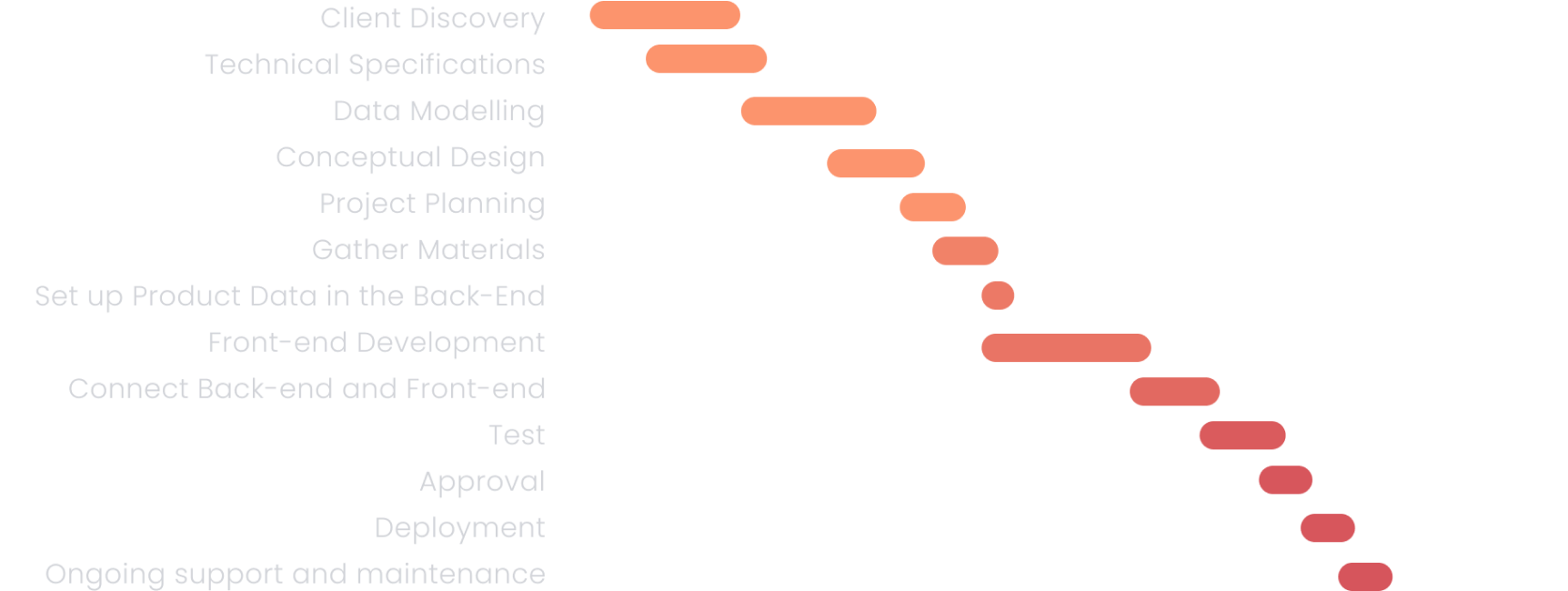
- Deployment Best Practices: Initiate with comprehensive planning, engage stakeholders early, and opt for a phased rollout to manage transitions smoothly.
- User Training and Adoption: Customize training sessions to suit different user roles, ensuring thorough understanding and proficient use of the system.
Future Trends
Product Configurators will increasingly incorporate AI and machine learning, offering smarter customization options and dynamic pricing tailored to individual customer profiles and behaviors.
Expect further advancements like enhanced system integration, augmented reality for interactive product demos, and blockchain for secure contract management, all aimed at improving user engagement and operational efficiency.
How a Product Configurator Works in Practice
Here is how a product configurator changes the buying experience for a customer ordering custom industrial equipment online.
- 1
Step 1: Customer selects a base product
The customer chooses the base model and the configurator loads all available option categories — size, power, finish, accessories. Invalid combinations for their base choice are hidden from the start.
- 2
Step 2: Options are guided and validated in real time
As each option is selected, the configurator updates the available choices dynamically. If a customer selects a high-power motor, incompatible housing sizes disappear. Every configuration that reaches the final step is guaranteed to be manufacturable.
- 3
Step 3: Visual feedback confirms the selection
3D or 2D visualizations update with each choice, giving the customer confidence that what they see is what they will receive. Studies show 3D configurators increase conversion rates by up to 40%.
- 4
Step 4: Configuration converts to an order or quote
The completed configuration passes directly into the order management or CPQ system with all specs intact — no re-keying, no engineering review for standard configurations.
Frequently Asked Questions about Product Configurators
- What is a product configurator?
- A product configurator is a software tool that allows customers or sales teams to customize a product by selecting options, features, and specifications. It validates selections against product rules in real time to ensure every configuration is manufacturable and correctly priced.
- How does a product configurator differ from CPQ?
- A product configurator handles the selection and validation of product options. CPQ (Configure, Price, Quote) is a broader system that includes the configurator plus pricing calculations, approval workflows, and quote document generation. Most CPQ platforms are built around a product configurator.
- What industries use product configurators?
- Product configurators are used across manufacturing, automotive, industrial equipment, commercial furniture, construction products, and consumer electronics — any industry where products have multiple interdependent options and custom configurations are common.
- Can a product configurator work with 3D visualization?
- Yes. Modern product configurators integrate with 3D rendering engines to display a real-time visual of the configured product. Studies show that 3D configurators deliver 40% higher conversion rates and 82% higher engagement compared to static images.
- What is the difference between a product configurator and a sales configurator?
- A product configurator is customer-facing — embedded in a website or e-commerce platform for self-service. A sales configurator is rep-facing — used internally during sales conversations with additional pricing logic and CRM integration.
- How does a product configurator reduce manufacturing errors?
- By enforcing product rules at the point of selection, a configurator prevents invalid combinations from ever reaching production. Only valid, buildable configurations can be submitted as orders. This eliminates the back-and-forth between sales and engineering that causes delays and costly rework.
Try our Configurator Demo Live
Let’s build together.
We empower manufacturers to master product modeling, streamline quoting process, reduce errors, and ultimately deliver the tailored solutions that customers demand.